Security That Guests May Never Notice
Most guests never notice good security, and honestly, that is usually a sign that it is being handled well. People arrive, find their seats, meet friends, watch the program, and head home without giving much thought to what is happening around them. Meanwhile, someone is watching the entrances, keeping an eye on restricted areas, paying attention to crowd behavior, and staying ready if something changes. Event security is not simply about placing guards where they can be seen. Much of the work happens quietly, before the event begins and after the last guest has left.
Before the Event: Walk the Site With a Security Mindset
Before doors open, we need to understand how the event will move. A venue can look completely different once hundreds of people are inside it. An entrance that seems spacious during an empty walkthrough can become a bottleneck when guests arrive at the same time. A side door that barely attracts attention can become an easy access point. We look at entrances, exits, parking areas, loading zones, staff-only spaces, VIP areas, and places where people or equipment may need additional protection. Attendance matters, too, but it is not the only factor. The type of event, timing, layout, guest profile, and access requirements all influence the security approach. For anyone considering private security in Ventura, this kind of site-specific planning is far more useful than simply choosing a guard count from a standard checklist.
During the Event: Pay Attention to What Is Changing
Once the event is underway, security becomes an exercise in observation. We are watching people, but we are also watching the environment around them. An argument that starts quietly near a bar can change quickly. A crowded entrance can become difficult to control when people begin pushing forward. Someone wandering into a staff-only area may be harmless, or they may be somewhere they have no reason to be. Our job is to notice these things early and judge what response makes sense. Sometimes that means a simple conversation. Sometimes it means redirecting a guest, notifying an event manager, increasing coverage in a particular area, or responding directly to a developing incident. The best response is not always the biggest one. Good judgment matters.
What Security Personnel Actually Handle
The responsibilities vary from one event to another, but several tasks commonly fall within a professional security plan:
● Monitoring entrances, exits, and controlled access points
● Checking credentials or authorized access when required
● Watching crowd movement and identifying potential conflicts
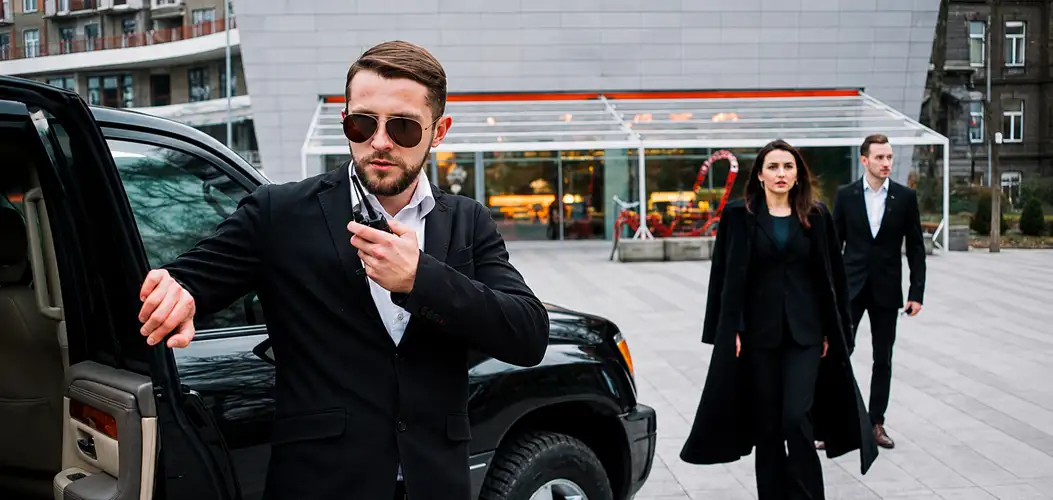
● Protecting VIPs, performers, employees, or restricted areas
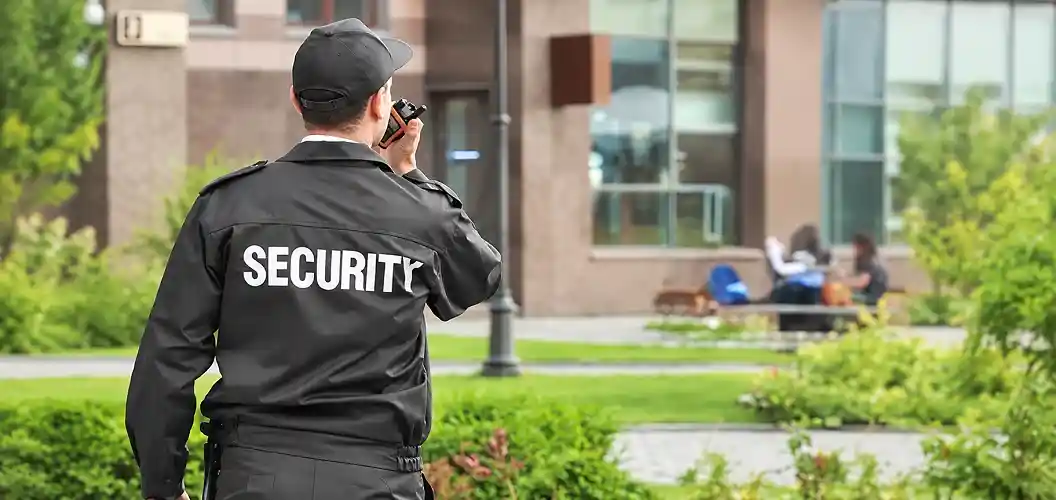
● Patrolling parking areas and the venue perimeter
● Responding to disturbances and security incidents
● Communicating with organizers, venue staff, and other personnel
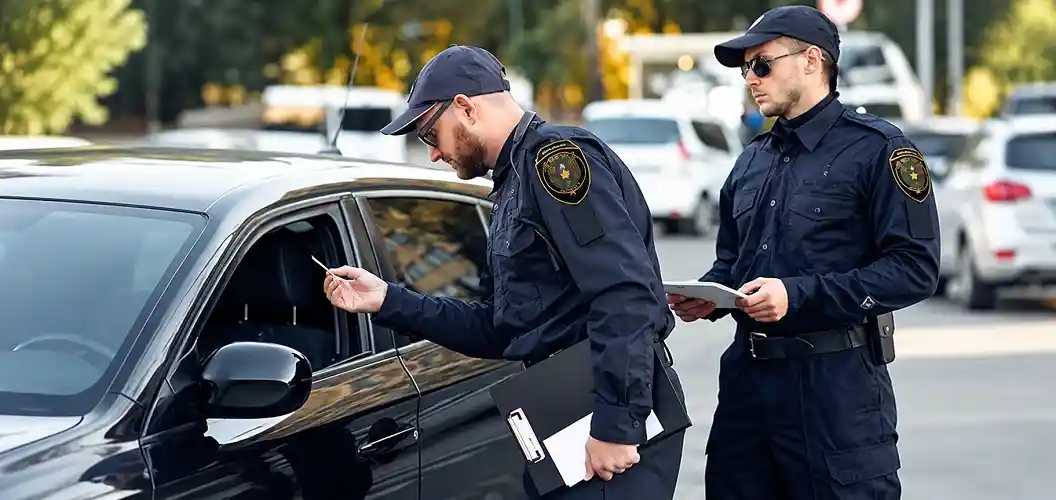
This is one reason professional venue security services are different from simply having additional event employees on site. Security personnel are there with a specific purpose. They know what they are looking for, understand how to respond within their responsibilities, and can stay focused on safety while event staff concentrates on guests, vendors, schedules, and operations.
After the Event: Keep Watching While Everyone Else Winds Down
The end of the event is not necessarily the end of the security problem. Guests will still be leaving. Parking lots could still be busy. Staff and suppliers could still be hauling important equipment out of the facility. Doors that were previously regulated may be opened and closed frequently during cleanup. People are also exhausted by this point, which can make a generally ordered procedure feel a little less organized. The venue is emptied, and we see the exits, parking spaces, restricted sections, and the property. However, there's another vital part of this step that is often ignored: reviewing what transpired. If an entry was congested or a particular place was difficult to monitor, this information can be used to reinforce the security plan for the next event.
Every Event Has Its Own Weak Spots
There is no universal security setup that works perfectly for every gathering. A wedding with a few hundred guests has different concerns from a concert, festival, corporate function, or private event. We consider how the venue is laid out, how people will enter and leave, where access needs to be controlled, who needs protection, and what could realistically cause a problem. For clients looking for private security in Ventura, the value is not simply having guards present. It is having people who understand why they are there and where their attention is most needed.
Conclusion
Security is much easier to manage when potential trouble spots are considered before the first guest arrives. A thoughtful plan gives personnel clear responsibilities, helps organizers make better decisions, and provides a structured response when something unexpected happens. Planning an event? Contact Ready 24H Security and talk to our staff with location details, expected number of participants, timing, and any particular concerns you have to discuss your security requirements. We can help you to determine the right level of coverage and build a workable plan before the doors open.