Security That Moves With the Property
Ask most people to picture security, and they'll describe someone parked behind a desk near the front door. Arms crossed, maybe a clipboard. That image is outdated for many properties, and it always has been. Parking lots empty out and fill back up within the same afternoon. Loading docks turn into hangout spots once the last delivery truck leaves.
A blocked entrance forces foot traffic somewhere else, and even after the original entrance reopens, people keep using the workaround out of habit. A guard glued to one spot cannot track that kind of drift. That's the gap Roving Patrol Security is built to close.
Why a Fixed Post Falls Short
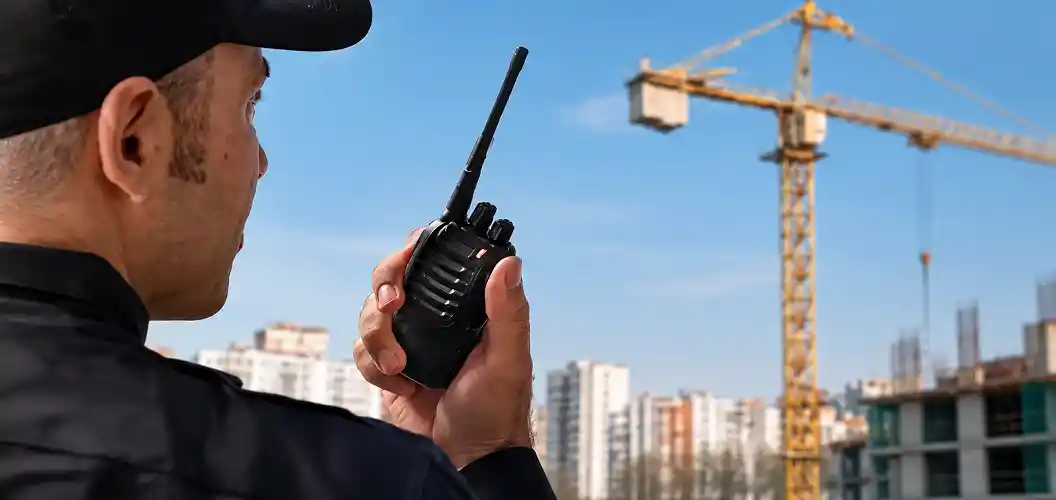
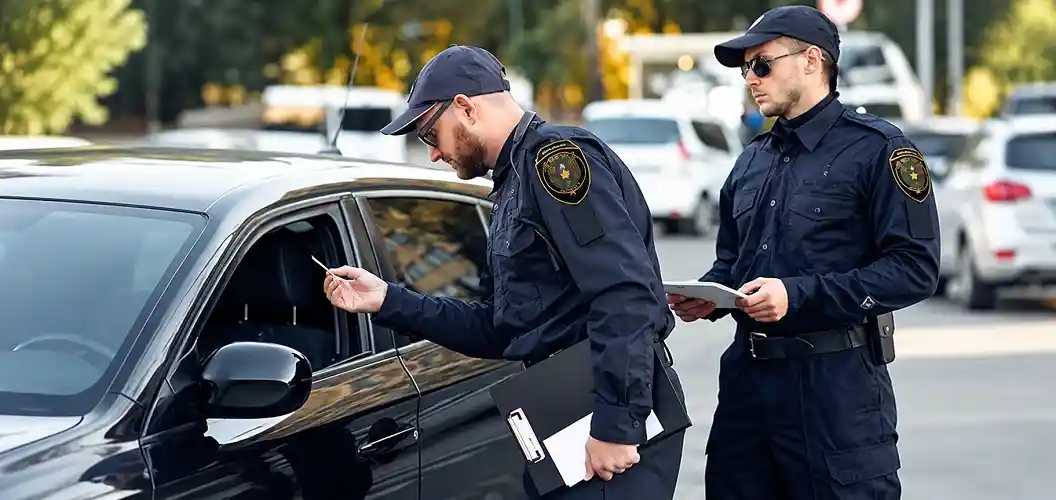
A stationary guard does one thing well: they watch their assigned spot closely. But most commercial sites, business parks, apartment communities, and retail centers don't have a single weak point. They have five or six, and those spots rotate depending on the hour. Security guard and patrol services exist precisely because standing still isn't a strategy on properties like these. Officers stay moving, on foot or through vehicle patrol security, checking corners a fixed post would never even face.
The Value of Being Unpredictable
Here's something worth sitting with: the people who benefit most from a predictable guard schedule are usually the ones with bad intentions. Regular visitors, tenants, delivery drivers, they don't think twice about a patrol car. Someone casing a property, though, absolutely does. Vary the route, the timing, the direction the patrol comes from, and you've made the property genuinely harder to read. That unpredictability is a large part of why Roving Patrol Security gets chosen over a static post, especially on sites where timing and access points shift constantly.
Reading the Small Stuff
Good patrol officers develop something close to an instinct for what's off. A delivery arriving three hours later than usual. A gate that keeps popping open even though maintenance fixed it twice. A light that's out again in the same stairwell. A car parked where cars never park. None of this means much in isolation, but strung together they tell a story, and an experienced officer catches that story before it turns into a real incident. That's really the whole point of patrol work. It's not about arriving after the fact. It's catching the drift early enough that nothing dramatic ever needs to happen.
Building Around How the Property Actually Runs
No two sites behave the same way, so a patrol schedule copied from one property to another rarely works well. A warehouse's busy hours look nothing like a retail center's, and an HOA community runs on a completely different clock than a construction site. Solid security guard patrol services get built around the property's real traffic, not a generic template. That means adjusting routes to actual operating hours, actual access points, and the actual friction points that come up week to week, not just the ones written down on day one.
Vehicle and Foot Patrols Each Pull Their Weight
Vehicle patrols cover ground fast. That matters on larger properties where checking every gate, lot, and perimeter fence on foot would eat up half the shift. Foot patrols slow things down on purpose, giving officers time to actually look at entrances, stairwells, and the tighter indoor spaces a vehicle can't reach. Most properties end up better served by both working together rather than picking one over the other.
Prevention Beats Reaction Every Time
The real value of patrol work isn't showing up after something's already gone wrong. It's the visible, ongoing presence that keeps most incidents from happening at all. Officers who know a property's rhythm notice the door that's propped open when it shouldn't be, or the vehicle that's been sitting too long near the loading dock. That kind of attentiveness, built through consistent but varied rounds, is what separates a real patrol service from someone just driving a loop and calling it coverage.
Finding a Provider Worth Trusting
Not every business treats patrols the same way, and honestly, it shows pretty quickly once you're working with them. Look for a provider that actually tailors routes and frequency to your site instead of running a copy-paste schedule, mixes vehicle and foot coverage where it makes sense, and staffs licensed, insured, background-checked officers who can respond fast when something does come up.
Conclusion
Property crime rarely gives fair warning. It builds quietly in the gaps a fixed guard post was never designed to cover. Mobile patrols close those gaps by staying visible, staying unpredictable, and paying attention to the small details that precede bigger problems. Ready 24H Security builds this kind of coverage across California, shaping patrol plans around each property's specific layout and risk rather than handing out a one-size-fits-all schedule. If your site has blind spots a stationary guard can't reach, a Roving Patrol Security Service is a straightforward, practical way to keep it covered around the clock.