More Than Standing at a Door
Most people picture a security guard as someone parked by an entrance, glancing at a monitor now and then, checking the occasional badge. That image isn't wrong exactly; it's just incomplete. The real job is built around constant awareness, sound judgment, and the ability to act the moment something feels off. A guard who's actually good at this work isn't just present; they're reading the property the whole time: who's coming and going, what looks routine, what doesn't. That layered attention, not the uniform or the post, is what separates real protection from just having a body in the lobby.
Before the Shift Even Starts
The work doesn't begin when the guard clocks in and takes a seat. It begins with knowing the property inside and out, its quirks, its blind spots, its history of trouble or lack thereof. An office building behaves differently than an industrial yard at 2 a.m., and a residential complex has a rhythm all its own compared to a retail store during a holiday rush. We've found that guards who take the time to actually learn a site, not just memorize a checklist, catch problems faster because they know what normal looks like there. Once you know normal, abnormal jumps out at you.
What an Actual Shift Involves
Day to day, the work shifts shape depending on the property, but the underlying purpose stays the same: reduce risk, respond fast when something happens, and keep things running smoothly in between. This is exactly why so many businesses lean on dedicated security guard and patrol services instead of trying to handle it in-house. A single shift might include:
● Watching entrances, exits, and any restricted zones closely
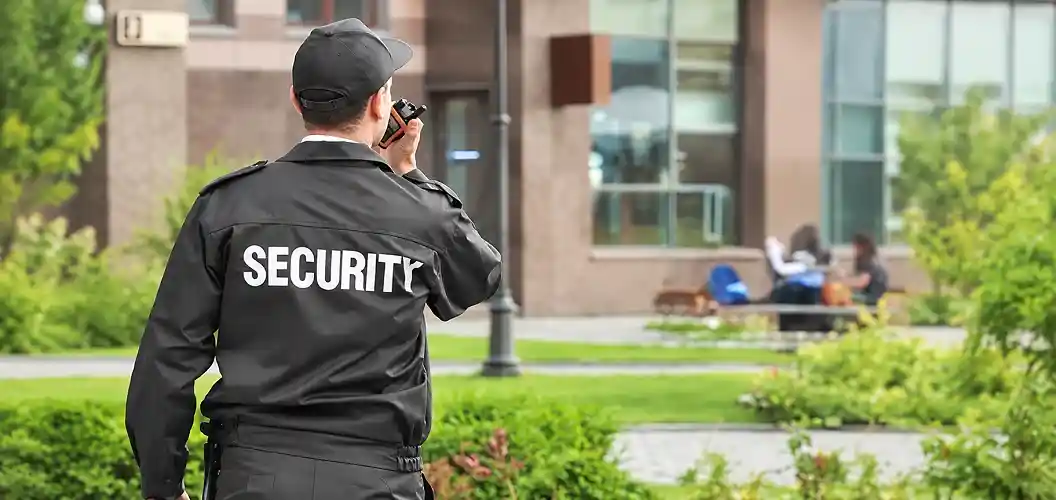
● Walking scheduled patrols around the grounds, not just the obvious spots
● Spotting anything that reads as a safety issue or plain doesn't belong
● Helping employees, visitors, or customers who need direction or assistance
● Writing up clear, accurate reports on incidents or anything worth noting
● Looping in management or emergency responders the moment it's warranted
These responsibilities require focus and consistency. Even during quiet periods, security professionals remain prepared because unexpected situations can happen at any time.
Catching What Others Walk Past
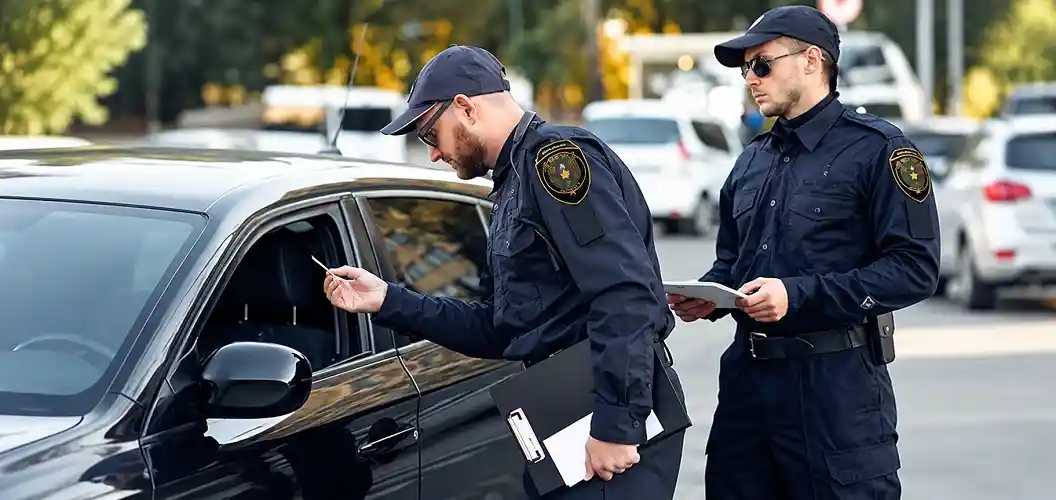
Good security work often comes down to noticing the small stuff before it becomes the big stuff. Someone wandering into a section they have no business being in, a car that's been idling near a restricted gate a little too long, a door propped open after hours that should be locked tight- these are easy to dismiss individually. Trained guards don't dismiss them. They connect the dots and decide, calmly and quickly, what needs to happen next. That instinct isn't guesswork; it comes from experience and repetition, the kind you only build by paying attention shift after shift. And prevention matters just as much as reaction. A visible, alert guard presence quietly discourages the kind of activity that would otherwise cause problems. People behave differently when they know someone's watching who actually knows what to look for. That's not about intimidation; it's about businesses being able to get ahead of issues instead of constantly cleaning up after them.
The Human Side of the Job
Guards spend a surprising amount of their shift talking to people, not chasing down threats. Employees need directions, visitors need help finding the right entrance, residents sometimes just want reassurance that everything's fine. Handling all of that with patience and professionalism is its own skill, separate from but just as important as knowing how to respond to an actual incident. A guard security service worth hiring understands that the job is equal parts vigilance and people skills. Guards who communicate well and treat people with respect end up building the kind of trust that makes the whole property feel safer, not just statistically safer, but safer in a way people actually notice.
No Two Properties Need the Same Thing
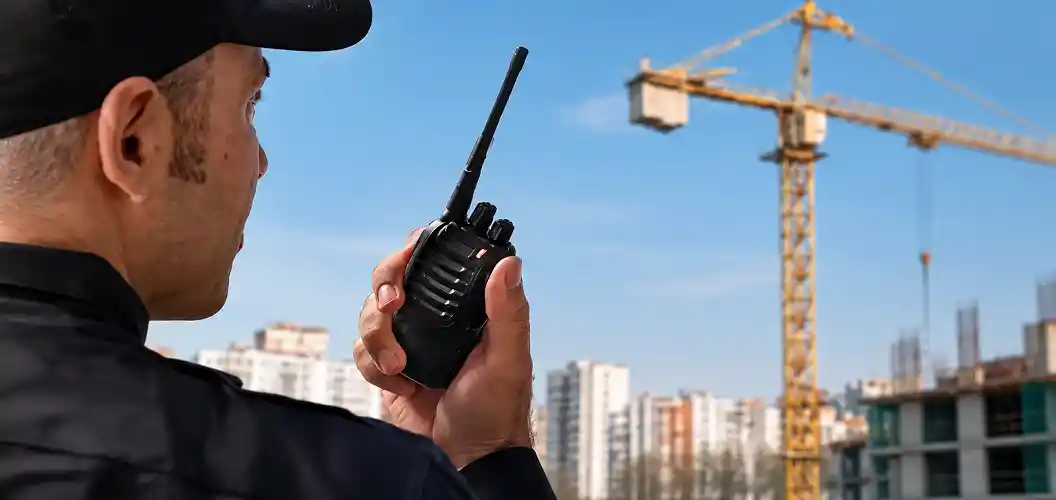
Security isn't one-size-fits-all, and treating it that way is where a lot of generic providers fall short. A construction site needs eyes on it after the crews go home. A commercial building needs someone managing who's walking through the door all day. Residential communities care most about keeping unauthorized people out entirely, while events need guards who can manage crowds and react fast if something shifts. At Ready 24H Security, we build our approach around what each specific property actually needs, not a template that sort of fits everywhere.
Conclusion
Most of this work happens quietly, without anyone noticing it's happening at all, which is honestly the point. The properties that feel safe, that run smoothly, that rarely have incidents worth talking about; that's the result of guards doing their job well long before anything goes wrong. If you're looking for security guard and patrol services you can actually rely on, reach out to our team and let's talk about what your property needs.